

Four Noble Truths : ค้นหาหนังสือธรรมะ หน้า 3 / 5
หน้าหนังสือทั้งหมด
21
The Inaugural Teaching of the Buddha
…1; the spokes were compared to the Links of Dependent Origination2; and the rim was compared to the Four Noble Truths.
____________________
1 The Thirty-Seven Factors of Enlightenment [bodhipakkhiyadhamma] consist of:…
…ls—represent the Thirty-seven Factors of Enlightenment, the Links of Dependent Origination, and the Four Noble Truths, essential for the Dhamma's journey.

80
The Four Noble Truths
80
80
SOLUTIONS
FROM WISDOM
XXXIV
The Four Noble Truths tacles
The Four Noble Truths is a
demonstration of suffering: its
nature, its cause, its cessation
…
The Four Noble Truths outline the concept of suffering, addressing its nature, causes, and how to overcome it. Suffering …
138
The Path to Enlightenment in Buddhism
…ained the first Body of Enlightenment, the meditator uses this Body of Enlightenment to examine the Four Noble Truths in the Physical Human Body and the Subtle Human Body both forwards [anuloma] and in reverse [pätolo…
…t. The meditator first reaches the first Dhamma Body and becomes a Gotrabhu attainer, examining the Four Noble Truths through different bodies. Further stages lead to becoming a Sotäpana, a stream-enterer who overcome…
124
Understanding the Inner Bodies and Enlightenment
…s the meditator to consider the Three Signs in the mundane bodies, also allows them to consider the Four Noble Truths. This part of the practice is indeed the Noble Path which leads the meditator to the transcendental…
…enlightenment are made of transcendental Aggregates, free from these influences, and align with the Four Noble Truths. The practice is framed as the Noble Path, guiding meditators towards ultimate enlightenment and li…
50
Understanding the Connotation of Dhamma in Relation to Brahma
In the case that ‘brahma-’ refers to the masculine ‘Brahma’
In case of the term ‘brahma-’ in the three compounds50 being
translated as a masculine ‘Brahma,’51 the comparison of the first and
the third
In this text, the term 'brahma-' is analyzed in the context of its translation as the masculine 'Brahma.' It discusses how the comparison between the Tathāgata and the Brahma, the creator, illustrates
56
The Noble Eightfold Path and the Cessation of Suffering
… Suffering includes all four of the Path to the End of suffering’s implications in the light of the Four Noble Truths:
4.1. The Path as the Escape from the Cycle of Existence;
4.2. The Path as the Cause;
4.3. Th…
This text delves into the teachings of the Buddha regarding the nature of craving as the cause of suffering and the means of escape through the Noble Eightfold Path. The concept of the 'Elixir of Deat
199
The Buddha's Teachings on Reality and the Middle Way
the Buddha didn’t explain what the device was by which they could see and know according to reality, they could follow the gist of what he was explaining.
2.3 Benefits of Seeing and Knowing according
This text delves into the teachings of the Buddha regarding the benefits of seeing and knowing according to reality. Although he did not explicitly define the device for achieving this understanding,
12
The Noble Eightfold Path: Key Concepts and Insights
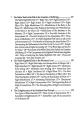
7 The Noble Truth of the Path to the Cessation of Suffering .................... 117
The Noble Eightfold Path 117 • Right View 118 • Right Intention 118 • Right Speech 118 • Right Action 118 • Right L
The Noble Eightfold Path is a fundamental Teaching of Buddhism aimed at overcoming suffering. It consists of eight essential practices: Right View, Right Intention, Right Speech, Right Action, Right L

59
การจำแนกประเภทของ Paramattha
23..
Lesson II
Paramattha is classified into four elements i.e: citta (mind,) cetasika the (mental
concomitants), rupa (form) and nibbāna (enlightenment); only these four
elements are in the Paramatth
Lesson II Paramattha is classified into four elements i.e: citta (mind,) cetasika the (mental concomitants), rupa (form) and nibbāna (enlightenment); only these four elements are in the Paramattha Pit

32
หลักการเศรษฐศาสตร์พุทธเพื่อความสุข
scrupulousness
and the same goes for saving one's wealth.
At the same time one needs to develop those around one as a
protective fence or network of good friends. Surrounded by
virtuous people, the te
scrupulousness and the same goes for saving one's wealth. At the same time one needs to develop those around one as a protective fence or network of good friends. Surrounded by virtuous people, the te

48
การตรัสรู้ของพระพุทธเจ้า
…ing to their deeds, Kamma.
In the last watch of the night, the realization of
Āsavakkhayannāna, the Four Noble Truths were revealed.
There and then, ignorance was dispelled,
and wisdom arose; darkness vanished, and li…
…ing to their deeds, Kamma. In the last watch of the night, the realization of Āsavakkhayannāna, the Four Noble Truths were revealed. There and then, ignorance was dispelled, and wisdom arose; darkness vanished, and li…
120
The Path of Right Actions in Buddhism
…erstanding of life and the world based on the benchmark of Nirvana, a thorough understanding of all four Noble Truths, and practice for the removal of ignorance and craving.
2. Right Intention
Right Intention refers t…
…s of Buddhism focusing on Right View, which is the accurate understanding framed by Nirvana and the four Noble Truths aimed at removing ignorance and craving. It highlights Right Intention, emphasizing thoughts filled…

160
Understanding Transcendental Inner Bodies and Meditation
…enlightenment. They consist of sensual desire, ill-will, sloth and torpor, restlessness, and doubt
Four Noble Truths (Noble Truths of Suffering): the Buddha’s first and most important teaching. It explains the realit…
…t also covers the Five Hindrances, which are negative mental states obstructing meditation, and the Four Noble Truths that address suffering's nature and alleviation. The principle of Kamma explains how one's actions …
246
Fundamental Concepts in Buddhist Psychology
… sense-thought conception)
sacca (truthfulness)
saccaṃña (see knowledge of the existence of the Four Noble Truths)
saddha (faith: see Five Faculties)
sahāya saṃbhārīya (see a wife like a friend)
sakaḍāgāmin …
…tration, showcasing their binding relationship to meditation practices and the understanding of the Four Noble Truths. These elements contribute to a comprehensive understanding of human sensory experience and their i…
157
Understanding Dhamma and the Eightfold Noble Path
…and the Workplace or School. We learn all of our good and bad habits while inhabiting these rooms.
Four Noble Truths –
1. Dukkha: Some form of suffering or pain exists for all of us. Life can be difficult because not…
…stractions. Additionally, it outlines the Eight Precepts guiding ethical living, and introduces the Four Noble Truths which address the nature of suffering and the transient nature of life. Understanding these teachin…
143
Understanding the Dhamma Body and the Noble Path
Dhamma Body — not with the human eye or the naked eye.
All the knowledge that brought him to Buddhahood came
by the ‘knowing’ of the Dhamma Body, not by rationale or
reasoning with the logical (hum
The Dhamma Body can only be perceived beyond the human eye, allowing the Buddha to grasp deep truths about existence. His compassion drove him to teach the Noble Path for the liberation of others, adv
240
Understanding the Noble Truths and Suffering
dukkhanirodhagāminī ariyasacca knowledge that what must be done in relation to the Noble Truths has been done (see the Noble Truth of the Path to the Cessation of Suffering)
dukkhanirodhagāminī kat
บทความนี้สำรวจและอธิบายเกี่ยวกับความจริงอันสูงส่งเกี่ยวกับความทุกข์และเส้นทางในการบรรเทาความทุกข์ตามหลักธรรมของพุทธศาสนา เนื้อหาครอบคลุมถึงความรู้ในด้านต่างๆ ที่เกี่ยวข้องกับแนวทางการดับทุกข์ รวมถึงปร

209
Understanding Arahantship in Buddhism
he would become an arahund. Having done the three cycles for each of the Four Noble Truths in each of the Four Inner Bodies, he would have completed the:
"sixteen tasks — until invulnerable …
…in the Buddhist tradition, focusing on the importance of completing the sixteen tasks linked to the Four Noble Truths and the Four Inner Bodies. It discusses the teachings of Luang Phaw Wat Paknam and emphasizes that …
72
Understanding the Levels of Dhammakāya and Noble Disciples
In regard to the different levels of dhammakāya, the canon talks about the different states of trainees (sekha) and non-trainees (asekha). The former refers to states in which a further course is yet
The text elaborates on the different levels of dhammakāya, categorizing trainees and non-trainees based on their qualities and practices. Trainees are seen as individuals who still have further course